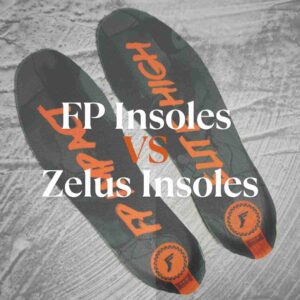
Selecting the right footbed can change how your body feels after a long day on your feet. This comparison looks at two popular names in the industry: Steppr and FP Insoles. While both brands promise relief, they use very different science to achieve it. The main difference lies in your activity level. If you participate in high-impact sports like skateboarding or parkour, FP Insoles provide unmatched shock absorption. If you spend long hours standing on hard surfaces and want a soft, cloud-like sensation, Steppr offers a comfortable 4D foam experience. This full technical breakdown from InsoleWars identifies which technology fits your specific needs.
What is the Difference Between Steppr and FP Insoles?
These two brands focus on different types of foot pressure.
- FP Insoles utilize Non-Newtonian fluids and Kingfoam technology. This material stays soft while walking but turns into a firm shield during heavy landings.
- Steppr Insoles use 4D high-density memory foam with integrated massage nodules. The focus here is on spreading weight evenly and reducing pressure points during steady movement.

Head-to-Head Comparison: Feature Showdown
| Feature | Steppr Insoles | FP Insoles (Footprint) |
| Material Tech | 4D Memory Foam | Kingfoam (Non-Newtonian) |
| Primary Goal | All-day Comfort | Impact Protection |
| Customization | Adaptive Foam | Heat-Moldable Arch |
| Ideal For | Retail, Nursing, Walking | Skating, Running, Jumps |
| Support Type | Cushioned | Structural / Rigid |
FP Insoles Review: NASA-Grade Shock Protection
FP Insoles provide a specialized shield for your skeleton by using materials that manage extreme force. This brand is a standard choice in action sports because it protects joints from the heavy vibrations caused by hard surfaces.
Advanced Kingfoam Technology
The primary material, Kingfoam, absorbs up to 90% of impact energy. Instead of bouncing the shock back into your legs, it converts the energy into heat and lets it dissipate. This helps prevent heel bruises and reduces long-term wear on your knees and back while maintaining a thin profile for a better ground feel.
Gamechangers: Custom Heat-Molding
The Gamechangers series offers laboratory-level customization at home. By heating the insoles in a standard oven for 8 to 10 minutes, the internal chamber softens. Once you stand on them inside your shoes, the material cools and hardens into the exact shape of your arch. This provides rigid support that prevents the foot from rolling inward.
FluidX Protection: Intelligent Response
The brand also utilizes FluidX, a smart material that changes based on force. It remains soft and flexible while you walk, but hardens instantly during a high-velocity landing. This reactive design gives athletes the freedom to move naturally while ensuring safety during sudden impacts.
Material Resilience
Unlike standard foam that flattens quickly, these inserts maintain their thickness and protection for over 12 months. The high-density construction is engineered to withstand thousands of pounds of pressure without losing its original shape.

Steppr Insoles Review: The Soft “Cloud” Solution
Steppr takes a lifestyle-focused approach, aiming to turn any footwear into a high-end comfort experience. While other brands focus on extreme sports, this design caters to people who spend their day walking or standing on hard floors.
4D Massage Nodules for Circulation
The surface features a grid of raised points that provide passive stimulation as you move. This constant contact creates a gentle massage sensation that supports healthy blood flow. By shifting pressure points, these nodules reduce the “heavy” feeling in the legs and prevent localized soreness.
Adaptive High-Density Memory Foam
The core utilizes specialized 4D memory foam that offers a personalized fit without the use of an oven. It reacts to natural skin heat to mold to your unique arch shape within minutes. This material provides a soft “sink-in” feeling that absorbs walking vibrations and spreads weight evenly to stop burning sensations.
Deep Heel Cup and Stability
A U-shaped heel cup provides a solid foundation to prevent the foot from wobbling. By cradling the heel bone, it centers the foot and stops it from sliding forward, which reduces blisters. This stability ensures a predictable step and lowers the risk of minor ankle strains.
Breathable Airflow Design
A perforated design manages heat and moisture inside the shoe. Tiny channels allow air to circulate, which wicks away sweat and keeps feet cool. By reducing moisture buildup, the design limits bacteria growth and keeps the footwear smelling fresher for longer.

Steppr VS FP Insoles for Specific Foot Conditions
Matching the technology to your specific pain point is the best way to ensure long-term relief. Here is how each brand handles common foot health issues.
Plantar Fasciitis: Support vs. Cushioning
Plantar Fasciitis is caused by the overstretching of the tissue connecting your heel to your toes.
- FP Insoles (Winner for Chronic Pain): The Gamechangers line is the superior choice here. Because it is heat-moldable, it creates a rigid, custom-shaped arch. This prevents your arch from collapsing, which stops the painful stretching of the fascia.
- Steppr (Winner for Initial Relief): If you have mild morning heel pain, the 4D memory foam provides a soft landing. It acts as a “buffer” for the sensitive heel area, though it does not provide the same structural rigidity as a molded insole.
Heel Spurs and Sharp Heel Pain
A heel spur is a calcium deposit causing a bony protrusion.
- Steppr: This is often the preferred choice for this specific condition. The soft, adaptive foam allows the spur to “sink” into the material. This removes direct pressure from the bone, making walking much more comfortable.
- FP Insoles: While the cushioning is excellent, the firmer nature of the high-impact foam might feel too rigid for someone with a very sensitive bone spur.
Flat Feet and Overpronation
When the arches of the feet are low or non-existent, the ankles often roll inward.
- FP Insoles: These are engineered for this exact problem. By using the heat-molding process, you can create a high, firm arch that stays in place. This forces your foot into a neutral position and prevents the “roll” that leads to knee and back pain.
- Steppr: The memory foam provides comfort for flat feet but lacks the structural strength to physically lift and hold a collapsed arch in place over long periods.
Neuropathy and Poor Circulation
Conditions that cause numbness, tingling, or “heavy legs” require a different approach.
- Steppr: This brand excels in this category. The 4D massage nodules are designed to stimulate the nerve endings on the bottom of the foot. This micro-massage helps maintain blood flow, which can reduce the throbbing or heavy sensation often felt in the lower legs.
- FP Insoles: While they provide great protection, they do not have the textured surface needed to stimulate circulation in the same way.
Metatarsalgia (Ball of Foot Pain)
Pain in the ball of the foot usually comes from uneven weight distribution.
- Steppr: The high-density memory foam is excellent at spreading your weight across the entire foot. By removing the pressure from the forefoot and redistributing it, the burning sensation is often neutralized.
- FP Insoles: These also work well due to the Kingfoam thickness, but they are more focused on absorbing landing shocks than daily pressure distribution.

Durability and Value: How Long Do They Last?
Longevity depends on the material density.
- FP Insoles win on durability. The polyurethane foam does not “bottom out” easily. Even after months of use, the material returns to its original shape.
- Steppr provides immediate relief but might need replacement every 4 to 6 months if used for heavy daily walking. The memory foam naturally compresses over time.
User Sentiment: Real World Feedback
Community discussions show a clear split in preference.
- Skateboarders and Runners swear by FP Insoles for saving their knees and ankles from “heel bruises.”
- Office Workers and Healthcare Staff prefer Steppr because the massage nodules reduce the “heavy leg” feeling at the end of a shift.
Frequently Asked Questions (FAQs)
Q1. Which insole is better for high-impact sports?
FP Insoles are the superior choice. Their Kingfoam technology absorbs 90% of impact energy, making them ideal for skateboarding, basketball, and other high-velocity activities.
Q2. Can Steppr insoles help with leg fatigue?
Yes. The 4D massage nodules on Steppr insoles stimulate blood flow and provide a micro-massage, which reduces the “heavy” or throbbing feeling after standing for long shifts.
Q3. Do FP Insoles offer custom arch support?
Yes. The Gamechangers series allows for heat-molding in a standard oven, creating a rigid and personalized arch shape tailored to your specific foot structure.
Q4. Are Steppr insoles good for Plantar Fasciitis?
They provide soft cushioning for immediate heel relief. However, for chronic cases, FP Insoles offer the rigid structural support needed to prevent arch collapse.
Q5. Which brand is better for flat feet?
FP Insoles are better for flat feet because the heat-moldable material provides a firm foundation that physically lifts the arch and prevents overpronation.
Q6. Do these insoles fit in any shoe?
Both brands are designed to be trimmed to fit. They work best in shoes with removable factory inserts, such as sneakers, work boots, and casual footwear.
Conclusion
Both brands provide high-quality relief, but the right choice depends on your daily physical demands. If your lifestyle involves heavy impact from sports or you require rigid, custom-molded support to correct your foot alignment, FP Insoles are the superior investment for long-term skeletal protection. However, if your primary goal is to eliminate the fatigue and swelling caused by standing on hard floors all day, the soft cushioning and massage technology of Steppr will provide the comfort you need. By matching the specific science of these footbeds to your environment, you can effectively reduce pain and improve your overall mobility.