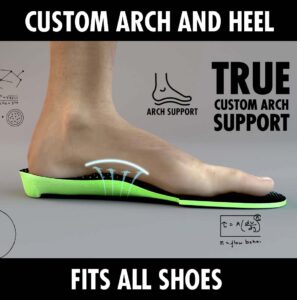
Choosing between a household name and a high-performance challenger depends on your specific daily movement. This comparison breaks down the differences in technology, lifespan, and comfort to help you decide which brand is best for your shoes.
If you need an immediate, budget-friendly fix for casual walking, Dr. Scholl’s provides instant gel cushioning. However, for those standing 8+ hours or dealing with chronic pain, Z-Liner offers superior medical-grade foam that does not flatten over time. This detailed breakdown by InsoleWars ensures you select the right support for your unique foot profile.
Comparison at a Glance: Dr. Scholls vs. Z-Liner Insoles
| Feature | Dr. Scholl’s (Massaging Gel) | Z-Liner Orthotics |
| Primary Material | Thermoplastic Elastomer (Gel) | Specialized Honeycomb Foam |
| Ideal User | Casual walkers, budget buyers | Athletes, workers, pain sufferers |
| Arch Support | Flexible and soft | Structured and firm |
| Durability | 3 to 6 months | 12+ months |
| Price Point | Low ($12 – $18) | Mid-High ($40 – $50) |
What are Dr. Scholls Insoles?
Dr. Scholl’s is the most recognizable brand in foot care. You can find them in almost any pharmacy or grocery store, making them the go-to choice for millions of people worldwide.
- High Accessibility: You can pick these up at a local store whenever you need a pair. There is no waiting for shipping or looking for specialty retailers.
- Specialized Product Lines: They offer versions tailored for specific activities, including “Heavy Duty Support,” “Running,” and “Work.” This variety lets you choose a pair based on your daily routine.
- User-Friendly Fit: Most pairs require simple trimming with scissors to fit your shoe size. The bottom of the insert usually has printed size guides to make the process straightforward.
- Immediate Relief: The soft gel provides a “step-in” comfort that feels great the moment you put on your shoes.
- Mass Market Pricing: These are affordable and provide a low-cost entry point for people who want to try foot support without a large investment.

What are Z-Liner Insoles?
Z-Liner positions itself as a premium alternative to drugstore inserts. It focuses on alignment and long-term foot health rather than just temporary cushioning. These orthotics are designed for people who need more than just a soft layer under their feet.
- Long-Term Durability: The medical-grade materials resist permanent compression. Even after months of heavy use, the foam maintains its original height and support level.
- Advanced Moisture Management: The top fabric layer wicks away sweat, keeping feet dry and cool. This breathable design prevents the slippery feeling often found in basic gel products.
- Enhanced Body Alignment: The deep heel cup helps stabilize the foot, reducing strain on the ankles and knees. By keeping the heel in a neutral position, these inserts help prevent the foot from rolling too far inward.
- Consistent Support: Unlike soft gel that flattens under pressure, the high-density foam provides a firm base that stays active throughout a long shift or a high-impact workout.
- High-Quality Construction: The materials are chosen to withstand friction and moisture without peeling or cracking at the edges.

Technology Breakdown: Gel vs. Honeycomb Foam
The performance of an insert depends on the materials inside. Dr. Scholl’s and Z-Liner use different approaches to manage the pressure of every step.
Dr. Scholl’s Gel Tech
These inserts rely on Massaging Gel technology. The blue and purple ripples move with your foot to absorb shock during impact. The material is squishy, providing a soft sensation the moment you step into your shoes.
- Weight Displacement: Gel is a fluid-like solid that spreads weight outward to reduce the sting of walking on hard tile or wood floors.
- Compression Style: The material compresses easily, providing a “cloud-like” feel that is gentle on sensitive heels.
- Heat Retention: Because gel is a dense material, it tends to trap body heat against the sole.
- Energy Return: Gel provides low energy return, meaning it absorbs the impact but does not “spring” back to assist the next step.
Z-Liner Honeycomb Structure
Z-Liner uses a unique honeycomb geometry made from high-density foam. Instead of just squishing down, the hexagonal cells compress and then bounce back. This creates a consistent layer of protection that maintains its shape even after miles of movement.
- Spring System: The honeycomb design works like a series of tiny springs, providing a firm response and pushing back against your foot.
- Temperature Control: The geometric gaps allow air to flow through the cells, helping to regulate foot temperature and reduce sweat.
- Impact Distribution: Instead of spreading weight outward, the hexagonal walls distribute pressure vertically across the entire footbed.
- Fatigue Reduction: The foam returns to its original shape instantly, which helps reduce muscle fatigue during high-impact activities or 12-hour shifts.

How Athletes and Active Users Compare Both Brands?
Performance footwear requires more than just a soft layer of gel. Athletes and active individuals need gear that responds to high-velocity movement and provides stability during lateral shifts.
Dr. Scholl’s for Athletes
Dr. Scholl’s offers a specific “Performance” line designed for people who participate in high-impact sports like running or basketball.
- Impact Cushioning: The “Shock Guard” technology focuses on protecting the heel from the hard thud of a landing on pavement or a court.
- Arch Flexibility: These inserts allow the foot to move naturally. If you prefer a shoe that flexes easily during a sprint, the soft gel material does not restrict your foot’s range of motion.
- Instant Comfort: For a weekend 5k or a casual gym session, these provide a “cloud-like” feel that reduces immediate muscle soreness.
- Affordable Replacement: Since athletic gear wears out quickly, the low price point lets you replace it with a fresh pair every few months without a large expense.
Z-Liner for Athletes
Z-Liner positions itself as a tool for serious performance and injury prevention. It is built for those who train daily and need their gear to stay consistent.
- Energy Return and Speed: While gel absorbs the impact, it does not push back. Z-Liner’s honeycomb foam acts like a spring, returning energy to your foot so you can move faster without feeling “stuck” in a squishy material.
- Lateral Stability: During sports that require quick side-to-side movements, the foot must remain aligned. Z-Liner’s deep heel cup prevents the heel from sliding forward in the shoe, reducing the risk of rolled ankles.
- Moisture and Friction Control: Athletic activity creates heat and sweat. Z-Liner uses breathable fabrics that wick moisture away, keeping the foot locked in place and preventing the blisters often caused by slippery gel pads.
- Weight Efficiency: High-density foam provides the necessary support without adding the bulk and weight associated with thick liquid-gel inserts.
- Joint Protection: For jumping or field sports, the hexagonal walls distribute the force of landing across the entire footbed rather than letting it concentrate on the heel or ball of the foot.

Head-to-Head: Comfort and Pain Relief
Plantar Fasciitis Support
For heel pain, Z-Liner performs better because of its rigid heel cradle. Dr. Scholl’s feels good initially, but the gel is often too soft to provide the structural lift needed to take pressure off the plantar fascia ligament.
Arch Integrity
Dr. Scholl’s arches are flexible. If you have flat feet, they provide a gentle cushion. Z-Liner offers a firmer arch. This firmness is what prevents the foot from rolling inward (overpronation) during long shifts or runs.
Impact Protection
If you are jumping or running on hard concrete, Z-Liner’s foam distributes weight across the entire footbed. Dr. Scholl’s gel is excellent at absorbing the “thud” of a heel strike but provides less energy return for the next step.

Durability: The Cost Per Mile
While Dr. Scholl’s is cheaper upfront, you might buy three pairs in the time it takes to wear out one pair of Z-Liners.
- Dr. Scholl’s: Expect the gel to thin out or the top fabric to peel within 90 to 180 days.
- Z-Liner: These are built to last a full year or more, making the daily cost lower for frequent users.
Frequently Asked Questions (FAQs)
Q1. Are Z-Liner insoles worth the money?
Yes. For those with chronic pain or high daily step counts, the durability and support justify the higher price compared to gel inserts.
Q2. Can you wash these insoles?
Dr. Scholl’s can be wiped down with a damp cloth. Z-Liners are often more resilient to cleaning, but you should always air-dry them away from direct heat.
Q3. Which is better for flat feet?
Z-Liner is better for flat feet because it provides the structural support needed to prevent the arch from collapsing further. Dr. Scholl’s is better for those who want a softer feel without changing their foot mechanics.
Conclusion
Selecting the right support for your feet depends on your daily activity levels and budget. Dr. Scholl’s works for occasional walking or one-time events where you need a soft cushion at a low price. It provides instant relief without a high cost or waiting for shipping. For those who stand for long shifts or deal with chronic pain, Z-Liner offers a stronger foundation that maintains its shape over time. While mass-market gel pads offer convenience, medical-grade honeycomb foam provides the durability needed for athletic performance and lasting comfort. Your decision rests on whether you want a temporary fix or a long-term investment in your mobility and joint health. By matching your footwear to your specific pressure points and movement patterns, you ensure your body remains aligned and pain-free throughout the day.