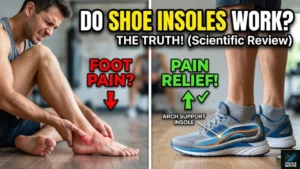
If every step feels unsteady, your ankles wobble easily, or a dull ache builds up after standing or walking, the cause often traces back to what sits inside your shoes. When insoles lose shape or fail to guide your feet, the ankles take extra pressure with every step. That added strain can lead to rolling, soreness, and ongoing fatigue that slows down your day.
A structured insole creates a steady base under the foot, supports alignment, and reduces the side-to-side motion that triggers ankle discomfort. In this guide, you’ll see which insole types work well for ankle pain and weak ankles, how they influence your movement, and what to look for based on your foot type and daily routine.
Symptoms Linked With Ankle Pain & Weak Ankles
Why do feet and ankles hurt? People with unstable ankles often face a mix of symptoms:
- A rolling sensation during walking
- Stiffness early in the morning
- Sore arches or heels
- Tired feet after short periods of standing
- Difficulty balancing on uneven surfaces
- A pulling sensation around the outer ankle
These patterns usually point toward poor foot alignment or insufficient insole structure.

Why Insoles Matter for Ankle Stability
Your ankles depend on the foundation underneath them. When the foot collapses inward, tilts outward, or lacks cushioning, the ankle joint shifts from its natural position. This shift increases strain on the tendons and ligaments that control stability.
How alignment influences your ankles:
- Overpronation forces the ankle to rotate inward, stressing the inner ankle.
- Supination pushes the weight outward, stressing the outer ankle.
- Flat footwear or thin insoles fail to guide the heel, increasing wobbling.
- Weak arch structure transfers the workload to the ankle joint.
A supportive insole aligns the foot, centers the heel, and limits uncontrolled motion—helping the ankle stay steady during movement.

Which Insoles Support Ankle Pain or Weak Ankles?
1. Firm Arch-Support Insoles
These insoles lift and shape the arch, preventing the foot from collapsing inward. They are suitable for those with flat feet or heavy overpronation that sends pressure directly to the ankle.
Benefits:
- Align the midfoot
- Reduce inward rotation
- Provide a steady base for ankle motion
2. Stabilizing Heel-Cup Insoles
A deep heel cup cradles the heel and limits side-to-side rolling. This structure is helpful for people whose ankles tend to shift outward or wobble during each step.
Benefits:
- Centers the heel
- Reduces rolling
- Supports balance on uneven surfaces
3. Motion-Control Insoles
These insoles have reinforced sides and a firmer build to restrict excessive twisting. They suit individuals with severe ankle instability, previous sprains, or walking patterns that cause too much lateral movement.
Benefits:
- Reduces uncontrolled shifts
- Maintains straight foot alignment
- Provides stronger guidance for the ankle joint
4. High-Density Foam Insoles
These insoles soften the impact from long-standing hours or hard floors. They distribute pressure more evenly, easing tension in the lower leg and ankle.
Benefits:
- Reduces stress from daily steps
- Suitable for workers standing on concrete
- Adds a layer of comfort without losing support
5. Custom Orthotics vs. Store-Bought Insoles
Some ankle issues arise from unique foot mechanics that require precise shaping. In such cases, custom orthotics may align the foot better. For mild to moderate ankle discomfort, high-quality store-bought insoles with arch support and a deep heel cup usually provide steady improvement.
When custom devices help:
- Repeated ankle sprains
- Severe flat feet
- Structural abnormalities
- Differences in leg length
6. Gel or Hybrid Cushioning Insoles
These insoles combine soft cushioning with moderate structure. They work well for people whose ankle discomfort is triggered by repetitive impact on hard surfaces.
Benefits:
- Dampens impact
- Reduces shock through the heel and ankle
- Ideal for walking on tile, marble, or concrete
7. Stability Insoles for Athletes
Athletes or active individuals often need insoles that guide the foot during high-intensity movement. These designs stabilize quick transitions, prevent rolling, and support jumps or direction changes.
Benefits:
- Limits ankle strain during sports
- Controls pronation during running
- Offers a firmer foundation during landings

How to Choose the Right Insole for Your Ankle Needs
To select the right insole, focus on how your feet move throughout the day.
Check these factors:
- Your arch type: flat, neutral, or high
- Your footwear: work shoes, running shoes, casual shoes
- Your activity level: walking, standing, running
- Your foot mechanics: overpronation, supination, or neutral
- Your comfort level: firmness vs. cushioning
Choose an insole that matches your movement pattern and supports your ankle without feeling too rigid or too soft.
When Weak Ankles Are Caused by Foot Issues
Sometimes ankle pain starts with hidden foot problems:
- Flat feet collapse inward, pulling the ankle with them
- High arches overload the outer ankle
- Tight calves alter foot placement
- Old injuries weaken the ankle’s natural stability
- Uneven pressure causes an imbalance while walking
Aligning the foot with the right insole often reduces these issues.
Daily Habits That Can Support Ankle Strength
Adding small daily steps can make your ankles feel more stable:
- Stretch your calves and ankles
- Strengthen foot muscles with simple exercises
- Wear shoes with solid heel counters
- Maintain balanced foot alignment throughout the day
- Avoid overly worn footwear
These habits work alongside your insoles to improve overall stability.
Frequently Asked Questions (FAQs)
Q1. Do insoles reduce ankle rolling?
Yes. Insoles with heel cups and firmer sides keep the heel centered, lowering the chance of rolling.
Q2. Can flat feet cause ankle pain?
Flat feet often push the ankle inward, creating strain that leads to ongoing discomfort.
Q3. Are firm or soft insoles better for weak ankles?
People with weak ankles usually benefit from a mix of structure under the arch and moderate cushioning under the heel.
Q4. Do running shoes work with stability insoles?
Most running shoes are compatible, especially neutral or stability shoes with removable liners.
Q5. Can weak ankles improve with consistent support?
Yes. Steady foot alignment, proper footwear, and daily strengthening often improve stability over time.
Conclusion
Proper insoles can stabilize weak ankles, reduce rolling, and ease pain by supporting foot alignment. Combined with daily stretching, foot-strengthening exercises, and supportive footwear, they help improve balance and make walking or standing more secure. Choosing the right type for your foot mechanics allows your ankles to stay resilient throughout daily activities.